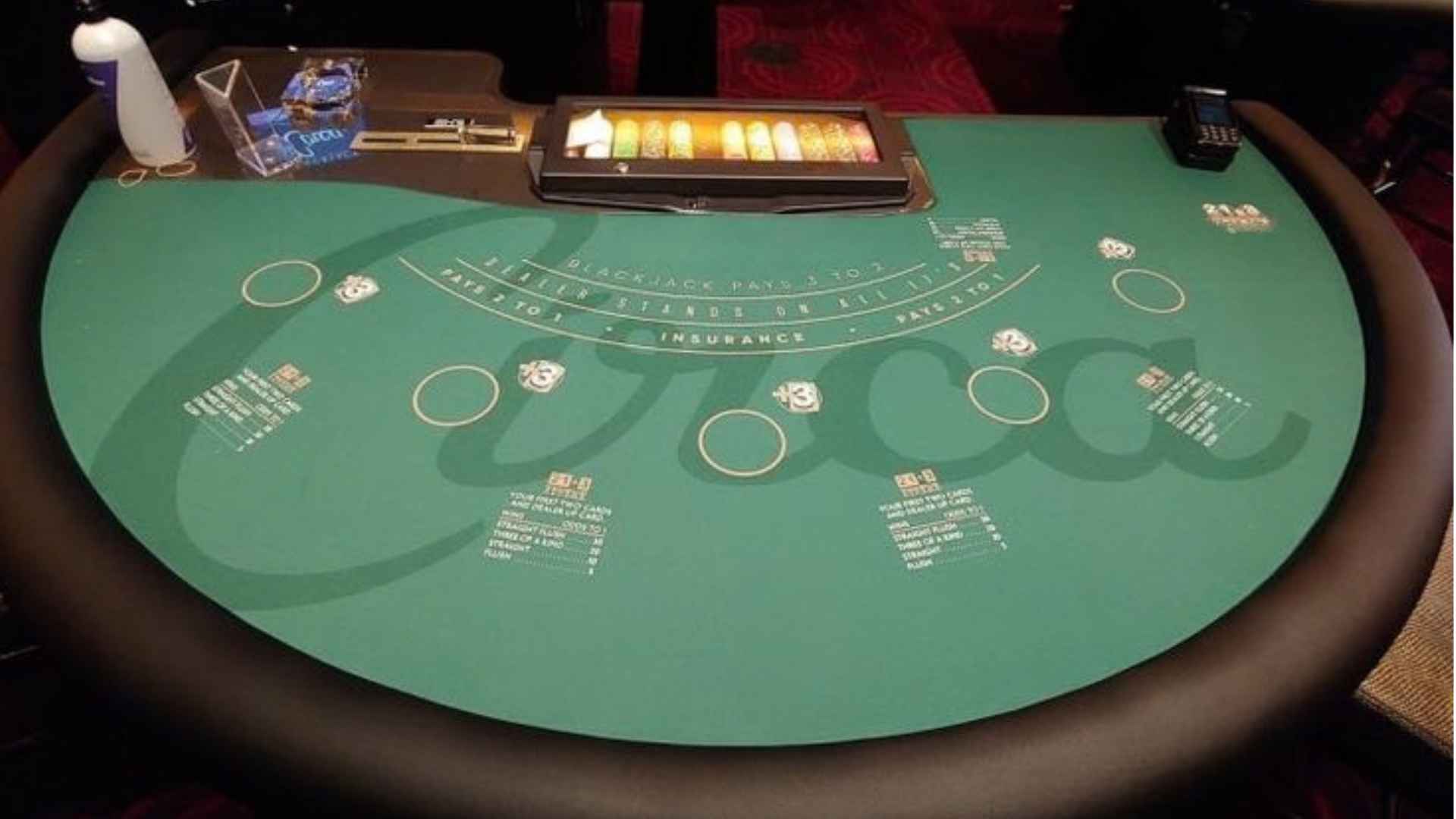
Selecting the ideal digital cardroom requires a deep look into how visual environments affect real-time strategic execution. When evaluating modern gaming client layouts, players must balance immediate operational ease against data presentation to secure their competitive edge. Subtle variations in software design determine whether an enthusiast can maintain peak concentration over long, grueling sessions.
The Balance of Layout Structure and Cognitive Friction
A tidy visual workspace significantly reduces mental fatigue by eliminating unnecessary distractions around the digital felt. High-quality poker programs optimize screen real estate so that critical variables like player stacks and pot sizes remain instantly readable. When an application avoids unnecessary visual clutter, participants can dedicate their full attention to complex math and opponent tendencies.
Conversely, poorly organized interfaces increase mechanical friction and elevate the risk of accidental misclicks during intensive wagering rounds. Navigating crowded configuration screens or struggling to find standard bet sizing buttons can quickly drain a player's concentration. Proper architectural hierarchy separates a premium gaming setup from a chaotic, frustrating workspace.
Multi Table Adaptability Across Different Screen Formats
Modern card enthusiasts frequently manage multiple tables simultaneously to increase their hourly volume and maximize efficiency. This intensive routine demands a highly adaptable interface design that can resize dynamically without sacrificing font clarity or overlapping essential text. Premium programs provide sophisticated automated grid and cascading options to streamline multi-table navigation.
When scaling down to smaller monitor configurations or transitions to mobile systems, the spatial organization of table controls becomes even more critical. Secure layout stability ensures that action alerts trigger predictably, allowing players to jump smoothly between distinct games. For those who manage diverse gaming platforms or access specialized analytical databases, utilizing a reliable portal like boss toto login provides excellent operational consistency.
Customization Systems and Player Directed Enhancements
True functional excellence depends heavily on a program's ability to support personalized workspace modifications based on individual player workflows. Top-tier software suites offer extensive custom configurations, allowing users to modify deck styles, change background hues, and map specific keyboard hotkeys. This extreme flexibility transforms a standard factory framework into a highly specialized personal environment.
Advanced players look for platforms where statistical data displays, such as built-in heads-up overlays, integrate perfectly into the active window frame. Maintaining a unified visual style prevents cognitive disruption when tracking immediate pot odds or reviewing historical hand logs. When interface design accommodates individual preferences, long term usability rises dramatically.
Long Term Stability and Consistent Technical Support
Behind every clean graphical presentation lies a sophisticated architectural engine that must remain synchronized across global networks under heavy data loads. Frequent technical updates are absolutely required to patch backend vulnerabilities, optimize processing times, and preserve fluid animation rendering. A beautifully designed program delivers little practical value if the underlying client suffers from sudden latency spikes.
Evaluating structural capability over extended periods allows players to protect their operational investments and secure a seamless gaming routine. Consistent developer support guarantees that visual menus continue to align with changing operating systems without causing application errors. Ultimately, finding a platform that achieves total harmony between robust utility and beautiful minimalism is the key to strategic success.