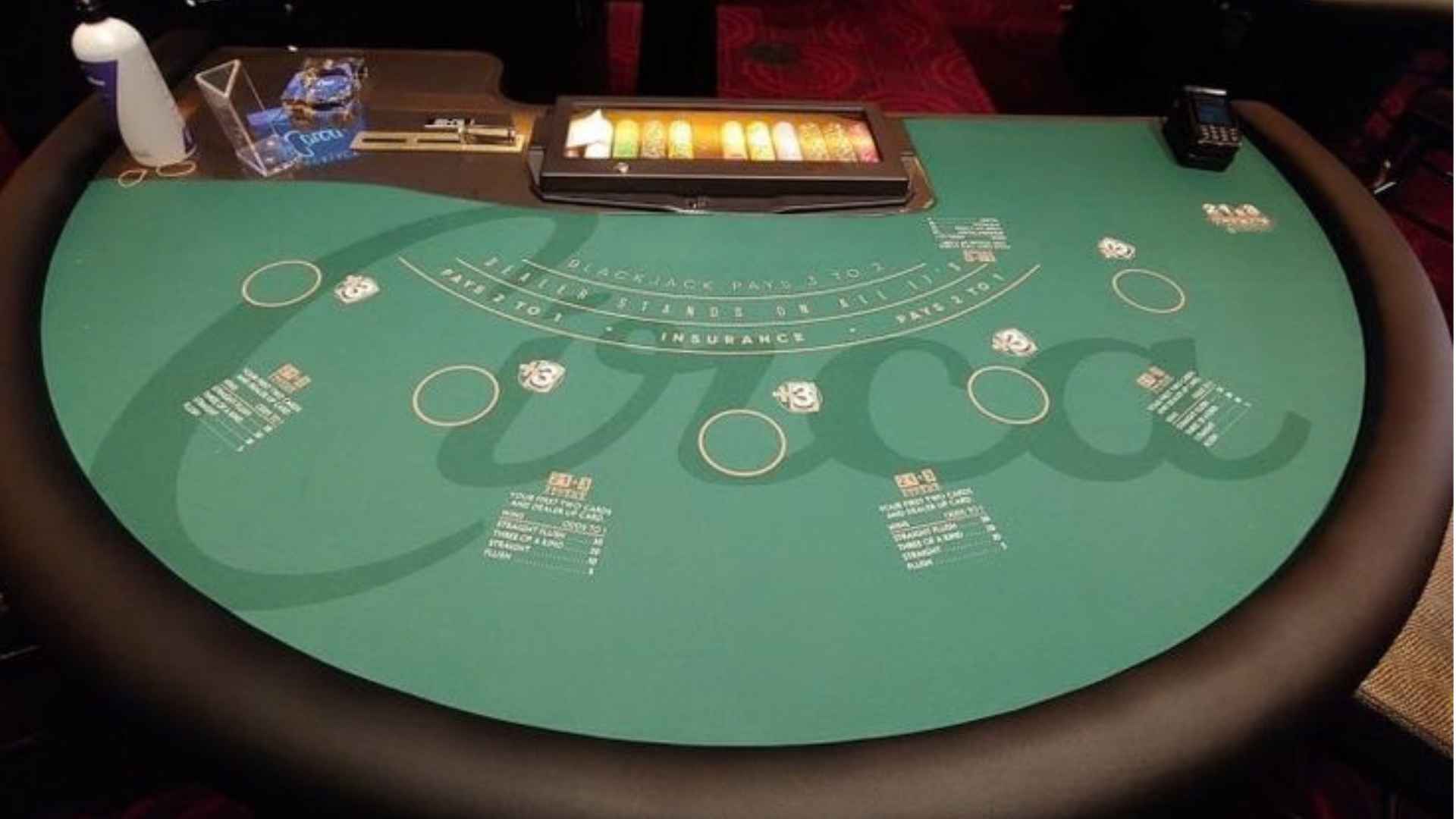
The transition from tangible card tables to digital interfaces represents one of the most significant shifts in modern entertainment history. For generations, the physical weight, texture, and sound of paper cards defined the core of gaming rooms globally. Today, sophisticated software platforms replicate these sensory traditions through sleek pixels, providing unprecedented accessibility and changing how participants engage with classic games.
The Tactile Value of Paper Formats
Physical card games offer a unique sensory immersion that digital screens struggle to fully replicate. The mechanical ritual of shuffling, dealing, and holding paper builds anticipation and provides a steady, grounded rhythm to every round. This physical interaction connects players directly to the game, creating a shared environmental atmosphere that depends completely on human movement.
Furthermore, manual card manipulation fosters distinct psychological dynamics among table participants. Observing how an opponent handles their physical assets adds a layer of non-verbal communication and strategic observation. This authentic social texture remains a foundational reason why many enthusiasts continue to prefer traditional layouts over digital options.
The Rise of Seamless Digital Evolution
Modern online systems have completely redefined accessibility by removing the physical limitations of space, time, and equipment. Players can now access their favorite variants instantly from any global location without needing a dedicated dealer or table setup. This rapid transition ensures that complex calculations, payouts, and shuffling rules are handled automatically with absolute precision.
As these virtual environments continue to evolve, platforms integrate advanced security measures to maintain gaming integrity and transparency. Enthusiasts seeking a dependable virtual setup can easily access a secure link m88 to explore highly responsive interfaces that mimic traditional pacing. These technological upgrades preserve essential game rules while introducing modern convenience to a broader demographic.
Balancing Social Interaction Across Formats
The shift to digital platforms has also transformed the nature of community engagement during a match. While traditional rooms favor direct conversation and quiet table etiquette, virtual layouts introduce fast-paced multiplayer structures and live chat features. This adjustment shifts the social environment from local gatherings to an expansive, interconnected network of global participants.
However, both systems successfully provide unique forms of engagement depending on player preferences. Traditional configurations excel at creating deep, focused memories through physical presence and shared vulnerability. On the other hand, digital interfaces offer smooth adaptability and varied customization options that modern audiences expect from contemporary entertainment platforms.
The Future of Hybrid Table Design
Looking ahead, the line between tangible assets and electronic media will likely continue to blur through hybrid innovations. Emerging technologies aim to combine the tactile satisfaction of physical materials with the analytical power of automated data tracking. This combination ensures that traditional aesthetic values survive while benefiting from the speed and scalability of digital systems.
Ultimately, the choice between traditional setups and automated layouts depends on what an individual values most in their gaming experience. Whether enjoying the manual click of chips or the sleek responsiveness of a smartphone app, both mediums reflect the enduring brilliance of traditional card mechanics. As technology progresses, both formats will continue to serve vital roles in preserving and expanding global tabletop culture.