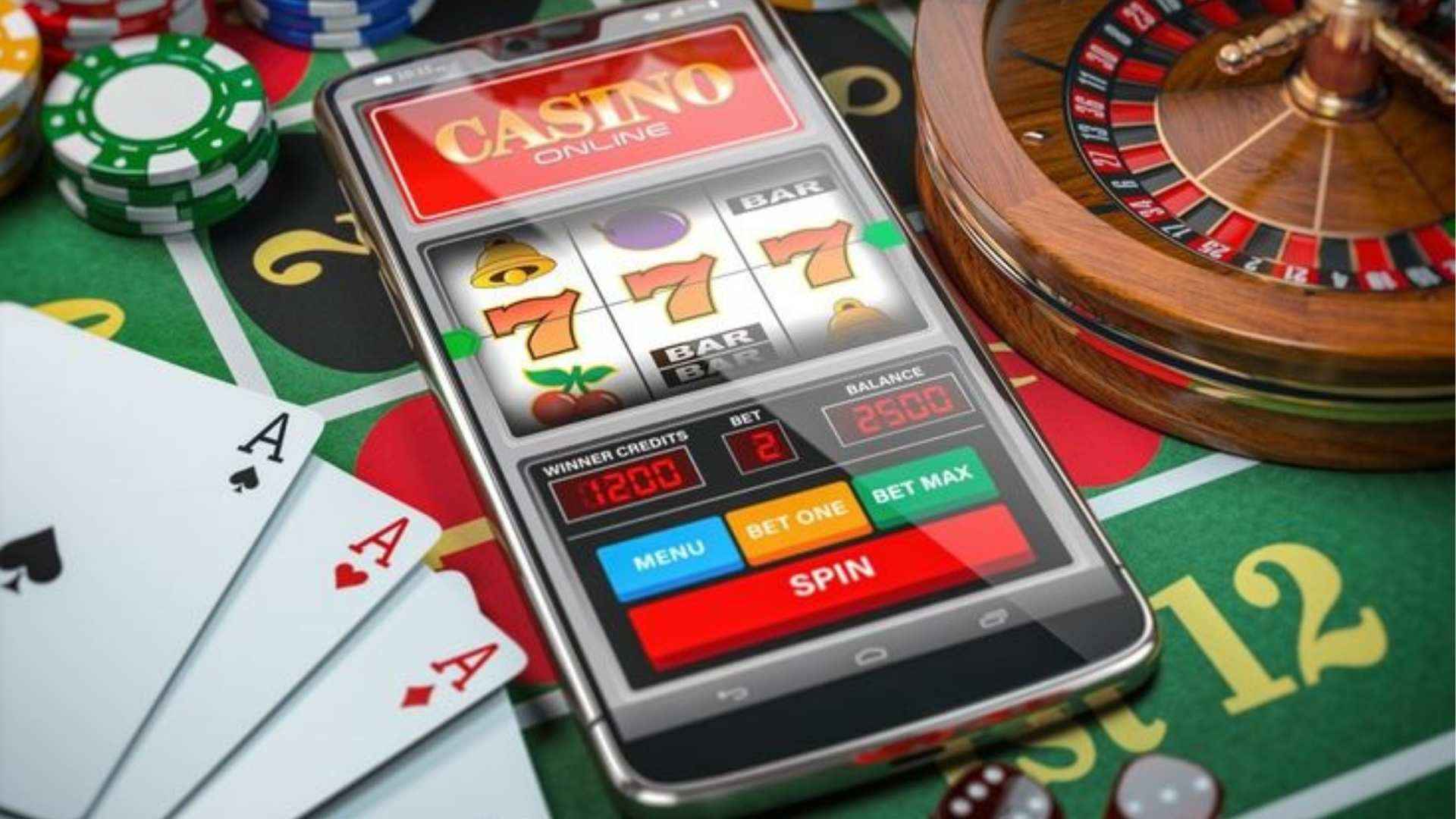
Traditional educational methodologies often struggle to engage modern students when dealing with abstract concepts like statistics and mathematical probability. By integrating game-based elements into the daily curriculum, educators can transform complex mathematical theories into highly interactive and enjoyable learning experiences. This modern instructional approach not only builds strong numerical confidence but also nurtures deeper analytical thinking skills that are vital for navigating real-world uncertainties.
The Value of Experiential Math Education
Learning through direct interaction allows individuals to develop an intuitive grasp of how random events operate over multiple successive trials. Static textbook formulas frequently fail to illustrate the dynamic nature of fluid statistical variations and probability distribution frameworks clearly. Interactive gameplay effectively bridges this gap by offering concrete experiences that allow learners to test hypotheses and observe outcomes directly.
When students participate actively in structured probability simulations, they transition seamlessly from passive absorption to active strategic experimentation. This hands-on engagement helps demystify mathematical logic and diminishes the deep anxiety commonly associated with numerical problem-solving exercises. Over time, consistent exposure to these randomized challenges establishes a resilient foundation for advanced mathematical reasoning and academic growth.
Enhancing Critical Reasoning and Cognitive Flexibility
Probability challenges serve as dynamic cognitive exercises that push young minds to move beyond rigid, deterministic thinking patterns. Players are continuously forced to evaluate incomplete data structures, assess potential risks, and adjust their strategies according to changing conditions. This constant mental calibration significantly boosts cognitive flexibility and trains the brain to manage real-life uncertainty more effectively.
Developing a structured mindset requires careful analysis of previous outcomes to accurately anticipate the likelihood of future occurrences. By examining these behavioral patterns, individuals learn to differentiate between pure chance and calculated strategic choices during complex scenarios. If you are looking to explore modern interactive systems that utilize these analytical principles, you can visit a verified portal such as login situs m88 to observe digital random number generators in real-world environments.
Building Practical Decisions and Risk Assessment Skills
Everyday life is filled with unpredictable factors that require individuals to make data-driven choices under high social and professional uncertainty. Probability games mimic these structural challenges by placing players in controlled risk environments where strategic interaction dictates final success. Consequently, participants learn how to weigh potential benefits against hidden threats before executing a decisive move.
Understanding statistical thinking through gameplay ultimately empowers individuals to navigate complex daily situations with much greater confidence. These practical exercises teach learners to accept calculated outcomes rather than relying blindly on emotional intuition or pure luck. As a result, mastering these gaming mechanics translates directly into enhanced decision-making capabilities in personal and academic pursuits.
Fostering Collaborative Discovery and Innovation
Integrating probability-based activities into group environments encourages healthy peer collaboration and strategic debates over shared problem-solving methods. When learners discuss variable likelihoods together, they gain valuable exposure to diverse analytical viewpoints and innovative perspectives. This collaborative dialogue enhances executive functioning skills and promotes a supportive culture of shared intellectual exploration.
The collective nature of modern educational gaming helps solidify complex concepts through shared observation and immediate feedback loops. By working together to solve randomized challenges, participants build a richer understanding of underlying statistical laws. Ultimately, these interactive adventures prove that learning about mathematical chance can be both profoundly educational and deeply inspiring for curious minds.