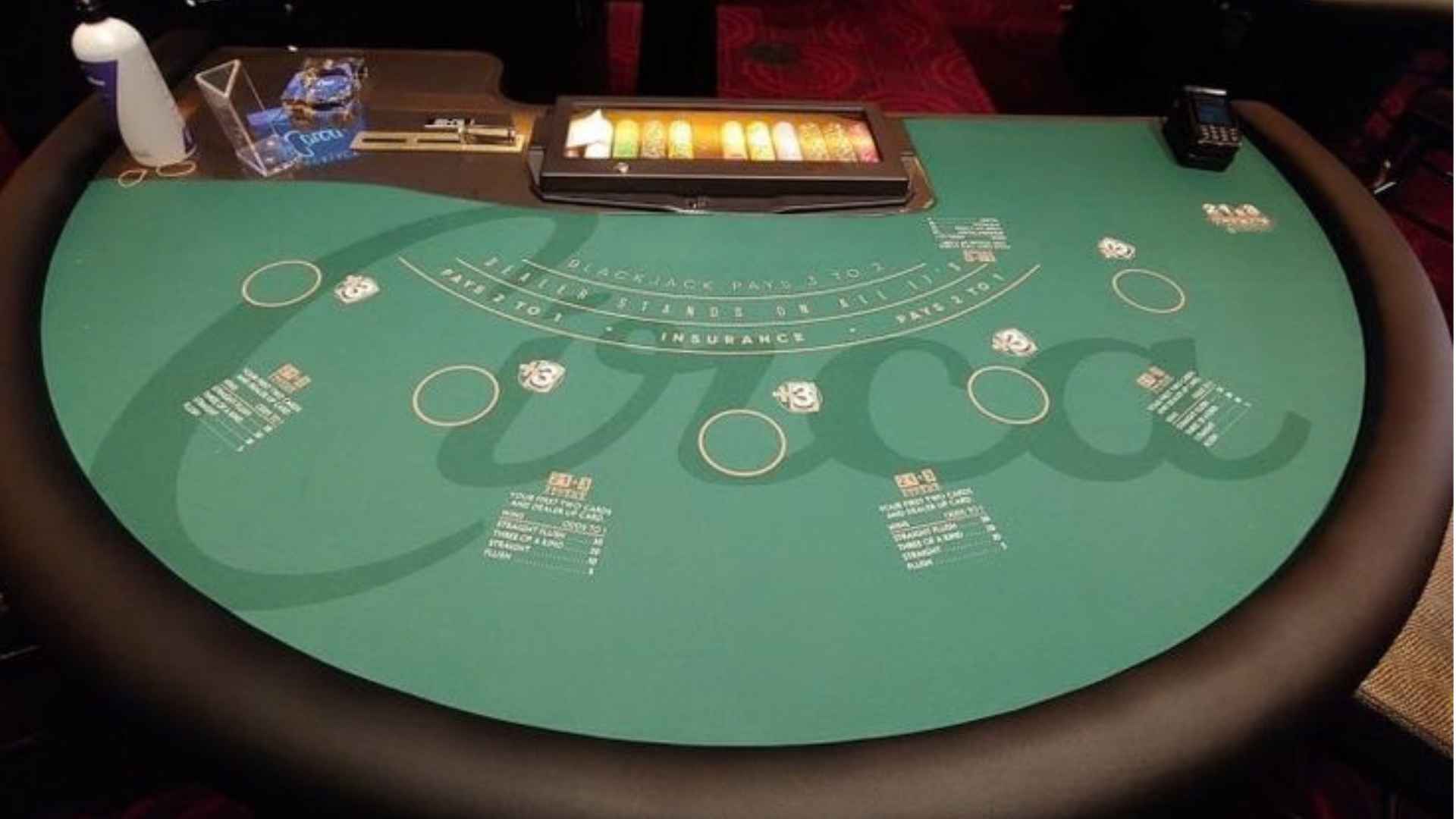
Poker is often perceived as a game of pure luck, but seasoned players recognize it as a complex mind sport driven by mathematical probabilities and human psychology. Developing a deep understanding of the game requires moving away from emotional decision-making and embracing structured strategic play. By focusing on long-term logical outcomes rather than short-term results, you can steadily improve your overall table performance.
The Importance of Positional Strategy
Position is one of the most critical elements of successful poker play, yet it is frequently overlooked by beginners. Acting last in a betting round grants you a significant informational advantage over your opponents who must make their moves first. This additional data allows you to control the size of the pot and execute highly effective bluffs.
Conversely, playing from an early position demands much tighter starting hand selection to avoid difficult post-flop scenarios. Experienced players know that playing fewer hands from early positions protects their chip stack from unnecessary risks. Recognizing how position dictates hand strength is a fundamental milestone in mastering strategic play.
Deciphering Ranges and Betting Patterns
Strategic poker players do not try to guess the exact two cards their opponents are holding during a hand. Instead, they calculate a range of potential hands based on the opponent's position, stack size, and betting history. This mathematical approach to hand reading removes guesswork and allows for highly calculated tactical decisions.
Analyzing physical tells or rapid digital betting shifts can also reveal when an opponent is playing with a weak hand. For those looking to practice analyzing player behaviors in a reliable environment, visiting a high-quality platform like login situs m88 offers a great way to test your reading skills in real-time matches. Keeping close track of consistent betting habits will help you exploit your opponents' strategic vulnerabilities.
Emotional Discipline and Bankroll Control
Maintaining strong psychological control is just as important as knowing the mathematical odds of a flush draw. Variance is a natural part of poker, meaning even the most perfect decisions will occasionally lead to losing a hand. True strategic mastery lies in the ability to accept these losses without letting frustration affect your next move.
Proper bankroll management acts as your primary shield against the unavoidable swings of the game. It is essential to only play at stakes that your designated poker bankroll can comfortably support without causing real-world financial stress. Setting aside a dedicated budget ensures you can make decisions based purely on strategy rather than the fear of going bust.